
IMPORTANT TRAVEL INFO
FREQUENTLY ASKED SAFARI QUESTIONS
What are the best safari destinations in Africa?
The best safari destinations in Africa include Serengeti National Park (Tanzania), Maasai Mara National Reserve (Kenya), Kruger National Park (South Africa), Okavango Delta (Botswana), and Etosha National Park (Namibia).
What is the best time to go on a safari in Africa?
The best time to go on a safari in Africa varies by destination, but generally, the dry season, which is often during the winter months, offers better wildlife sightings as animals gather around water sources. However, specific regions may have different optimal times.
What animals can I see on an African safari?
African safaris offer the opportunity to see a diverse range of animals, including lions, elephants, buffaloes, leopards, rhinos (the Big Five), giraffes, zebras, cheetahs, hippos, crocodiles, and numerous bird species.
Is it safe to go on a safari in Africa?
Safety levels on African safaris can vary by country and region. It’s essential to research the safety situation, follow local guidance, and choose reputable operators and lodges with experienced guides to ensure a safe and enjoyable experience.
What should I pack for an African safari?
When packing for an African safari, consider essentials like lightweight and breathable clothing, a wide-brimmed hat, sturdy walking shoes, sunscreen, insect repellent, a good camera with spare batteries, and any required medications. See the FAQ page for detailed info
What is the difference between a game reserve and a national park in Africa?
Game reserves are privately owned and managed areas, while national parks are typically government-run protected areas. Both offer wildlife viewing opportunities, but game reserves may have more flexibility in terms of activities and accommodations.
How long should I plan for an African safari trip?
The ideal duration for an African safari trip can vary, but it is recommended to plan for at least 7 days, ideally 10-14 days to have a fulfilling experience. Longer trips allow for more exploration and the opportunity to visit multiple destinations.
What is a fly-in safari?
A fly-in safari is a type of safari experience that involves traveling to remote or inaccessible areas by aircraft. Instead of relying on traditional ground transportation, such as vehicles or boats, participants of a fly-in safari fly directly to their chosen safari destinations.
This mode of transportation offers several advantages, including quicker access to remote and untouched wilderness areas, the ability to cover larger distances in a shorter time, and a unique aerial perspective of the landscapes below.
Fly-in safaris often include private charter flights or scheduled light aircraft transfers, providing a convenient and efficient means of reaching remote safari lodges, camps, or reserves.
Fly-in safaris are particularly popular in regions with vast and expansive wilderness areas, such as certain parts of Botswana and East Africa.
What vaccinations do I need before going on an African safari?
Before going on an African safari, it is advisable to consult with a healthcare professional or travel clinic to determine the required vaccinations for the specific country or region. Common vaccinations may include those for yellow fever, tetanus, hepatitis A and B, and typhoid.
Benefits of a Game Reserve or National Park?
Safari parks serve as sanctuaries for wildlife, providing secure havens where animals can wander unrestricted. These parks play a pivotal role in preserving biodiversity and act as vital ecosystems for countless species. When you choose to explore a safari park, you not only have the incredible opportunity to observe wildlife in its unaltered habitat, but you also actively contribute to initiatives that protect these remarkable creatures and the fragile ecosystems upon which they depend. By visiting a safari park, you become an advocate for the conservation of nature, ensuring the continued existence of these extraordinary animals and the sustenance of their interconnected environments.
Key aspects to keep in mind
When preparing for your inaugural African safari, it’s crucial to consider several essential factors.
- Begin by establishing a practical budget that encompasses accommodation, transportation, park fees, and any extra activities you wish to indulge in.
- Take the time to research visa requirements and verify that your passport remains valid for at least six months beyond your intended departure date.
- Familiarize yourself with the customs, traditions, and etiquette of the countries you’ll be exploring.
- Seek advice from a travel health professional to ensure you receive necessary vaccinations and take appropriate health precautions for a safe and worry-free journey.
What is a family safari?
An African safari is a remarkable experience for families, offering an opportunity to bond, learn, and create lasting memories together. Witnessing the wonder in your children’s eyes as they encounter wildlife for the first time is truly priceless. Family-friendly safari lodges and expert guides ensure that every member of the family, young and old, can fully enjoy the adventure, making it an unforgettable journey for everyone.
What is the Big Five and where can I find them in Africa?
The Big Five refers to the five iconic African animals: lions, elephants, buffaloes, leopards, and rhinos. These animals were historically considered the most challenging to hunt on foot. They can be found in various national parks and reserves across Africa.
What is a mobile safari?
A mobile safari is a type of safari experience where participants move between different locations within a wildlife area or national park, typically in a group or small convoy. Instead of staying at a fixed accommodation, such as a lodge or camp, the participants stay in temporary camps that are set up and dismantled as the safari progresses. These camps are often designed to provide basic yet comfortable accommodations, with amenities such as sleeping tents, communal dining areas, and shared bathroom facilities.
During a mobile safari, participants have the opportunity to explore different areas and ecosystems, maximizing their chances of encountering diverse wildlife species and experiencing varied landscapes. The safari guides and staff set up the camps in strategic locations to offer the best wildlife viewing opportunities, often moving every few days to follow animal migration patterns or explore different regions.
Mobile safaris are typically led by experienced guides who possess extensive knowledge of the local wildlife and ecosystems. They provide informative game drives and guided walks, offering insights into the natural surroundings and the behavior of the animals encountered along the way.
This type of safari appeals to adventurous travelers who enjoy a more immersive and flexible experience, as it allows for a closer connection with nature and the ability to explore remote and lesser-known areas. Mobile safaris can be organized in various destinations across Africa, including countries such as Botswana, Tanzania, and Zambia, among others.
Can I go on a safari with children in Africa?
Yes, many African safari destinations cater to families with children, offering family-friendly accommodations and activities suitable for kids, such as guided nature walks or visits to local communities.
Is an African Safari Worth It?
Undoubtedly, an African safari is an incomparable experience that surpasses all expectations and is worth every precious moment and investment. It immerses you in a world of exhilarating adventure, unparalleled serenity, and unparalleled personal growth. The memories forged during an African safari are indelible, forever etched in your heart and mind. You’ll find yourself spellbound as you witness breathtaking sunsets casting a golden glow over the vast savannah. You’ll be enchanted by the harmonious chorus of wildlife greeting the dawn, awakening your senses to the symphony of nature. And let’s not forget the enriching interactions with the vibrant local communities, where you’ll gain insights into their rich cultures and traditions.
An African safari is not merely a vacation; it’s a transformative journey that transcends boundaries and expands horizons. It ignites a deep appreciation for the wonders of the natural world, fostering a profound connection to the Earth’s untamed beauty. The experiences and memories you create during an African safari become cherished treasures, forever reminding you of the profound impact it has on your life. So prepare to embark on this extraordinary adventure, for an African safari promises to be an unforgettable odyssey that leaves an everlasting imprint on your soul.
What is the "Great Migration" and where can I see it in Africa?
The Great Migration is an annual event where millions of wildebeests, along with zebras and other animals, migrate in search of fresh grazing. It takes place between the Serengeti National Park (Tanzania) and Maasai Mara National Reserve (Kenya) during different times of the year.
What is a luxury Africa safari?
Perfect for those seeking the ultimate in comfort and exclusivity, luxury Africa safaris provide an unparalleled experience. Indulge in lavish accommodations, personalized service, and curated itineraries that cater to your every desire. Experience the finest lodges and camps, gourmet cuisine, and private guided tours, ensuring an unforgettable safari adventure tailored to your preferences!
What are some off-the-beaten-path safari destinations in Africa?
Some off-the-beaten-path safari destinations in Africa include Hwange National Park (Zimbabwe), South Luangwa National Park (Zambia), Ruaha National Park (Tanzania), and the private conservancies like Mara Naboisho (Kenya). These destinations offer unique wildlife experiences with fewer crowds.
What is a custom Africa safari?
Tailor-made Africa safaris offer the flexibility to create a personalized itinerary that aligns with your interests and preferences. Whether you have specific wildlife sightings in mind, want to explore particular regions, or have unique requirements, custom safaris allow you to design an adventure that is truly your own. Work closely with experienced tour operators to curate a journey that surpasses your expectations.
How much does an African safari cost?
The cost of an African safari varies depending on factors such as the destination, accommodation, duration, and level of luxury. Safaris can range from budget-friendly options starting around $500 per day to high-end luxury safaris that can exceed $1,500 per day.
Why should you go on an African safari?
Embarking on an exhilarating African safari is an absolute must for those who crave an extraordinary travel experience! Prepare to be captivated as your imagination soars and your senses come alive. Get ready to immerse yourself in the awe-inspiring wonders of the continent, where every moment holds the potential for an unforgettable encounter.
Imagine yourself standing amidst breathtaking landscapes that stretch as far as the eye can see. The air is charged with anticipation as you set foot in the wild, ready to witness nature’s grand spectacle. Brace yourself for the exhilaration of coming face to face with Africa’s iconic wildlife, right in their natural habitats. Get up close and personal with the regal lion as it prowls majestically through the untamed plains. Feel your heart race as a graceful herd of elephants gracefully traverse the sprawling African savannah. These encounters will leave an indelible mark on your soul, forging a deep connection to the beauty and diversity of the natural world.
An African safari is not just an adventure; it’s a transformative journey that promises to ignite your spirit of exploration. Whether you’re an intrepid adventurer, a fervent nature enthusiast, or simply someone in search of an unparalleled escapade, an African safari beckons you with its irresistible allure. So seize this opportunity, and let the untamed splendor of the African wilderness mesmerize you like never before!
Are there any specific etiquette or rules I should follow while on a safari in Africa?
Etiquette and rules on safaris in Africa include respecting wildlife and their natural habitat, following the instructions of your guide, keeping a safe distance from animals, not littering, and adhering to any specific guidelines provided by the park or reserve.
What is a couples safari?
An African safari provides the perfect backdrop for a romantic escape. Imagine sharing intimate moments in the heart of the African wilderness, enjoying candlelit dinners under the stars, and creating memories that will last a lifetime. Couples safaris offer a unique blend of adventure, romance, and tranquility, allowing you to connect deeply with both nature and your loved one.

TRAVELING WITH MINORS
VERY IMPORTANT!
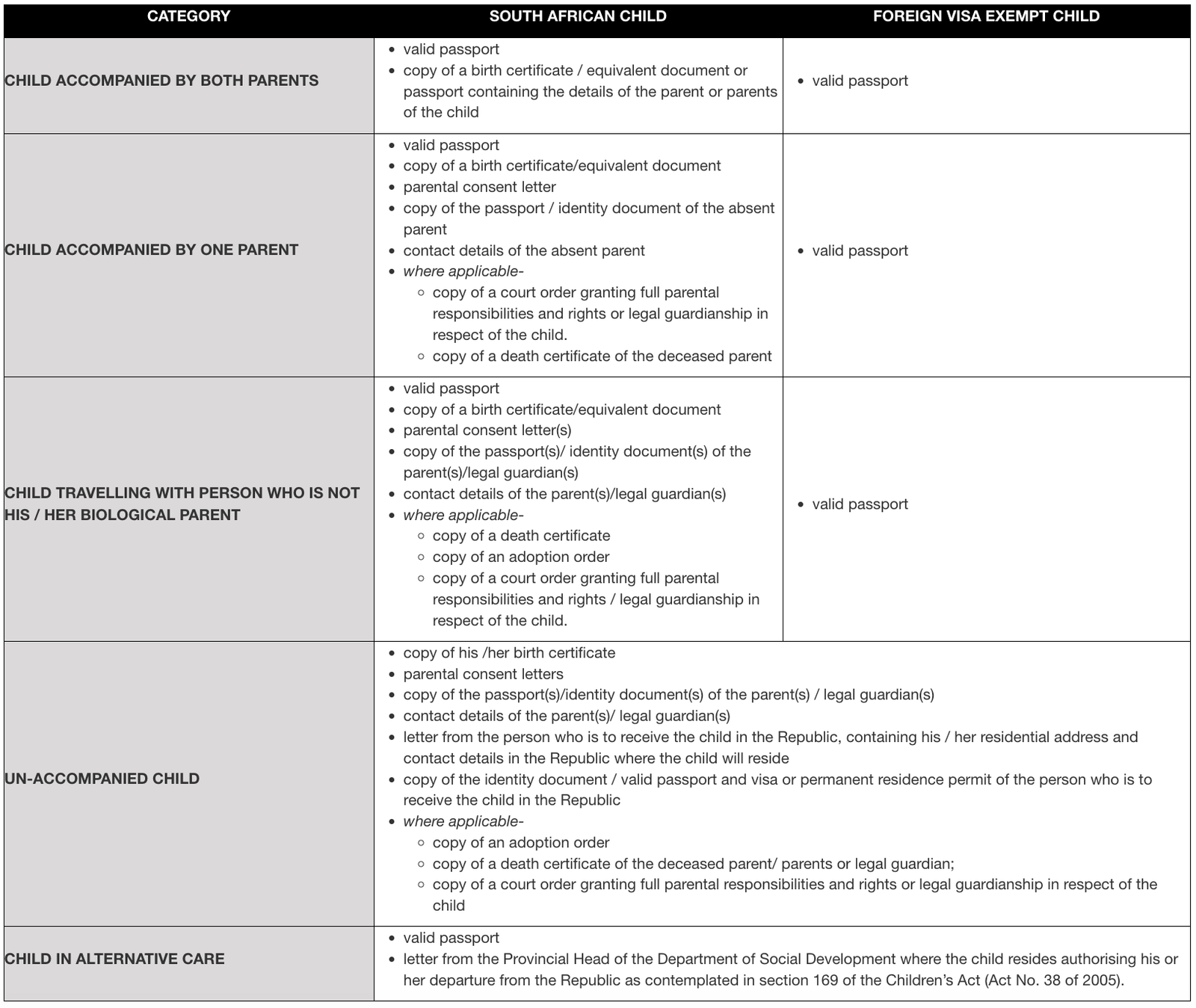
Requirements for travelling with underage children / minors:
All minor children travelling through any South African port of entry must have comply with the requirements below, depending on their spesific situationn:
- CHILD ACCOMPANIED BY BOTH PARENTS
- CHILD ACCOMPANIED BY ONE PARENT
Please read more
PASSPORTS
Due to constantly changing requirements, it is recommended that travelers contact the appropriate embassy for accurate and up-to-date information & requirements
Please refer to https://travel.state.gov/content/travel.html for updated information on each country.
Passport & Visa requirements are guest’s sole responsibility*
- Expiration date valid at least 6 months past return dates
- Please check the number of blank Visa pages required by each country.Passport MUST have AT LEAST 2-3 blank “VISAS pages” per entry – the word “VISAS” must appear at the top of the page to be considered a “Visas Page” . They must be consecutive and blank back and front. Please note the 6 pages required for NAMIBIA!
- Airlines will refuse board if you do not meet this requirement. Please click to view more info on this link
- Please note special requirements when travelling with a minor(s)

BLANK VISA PAGE REQUIREMENTS
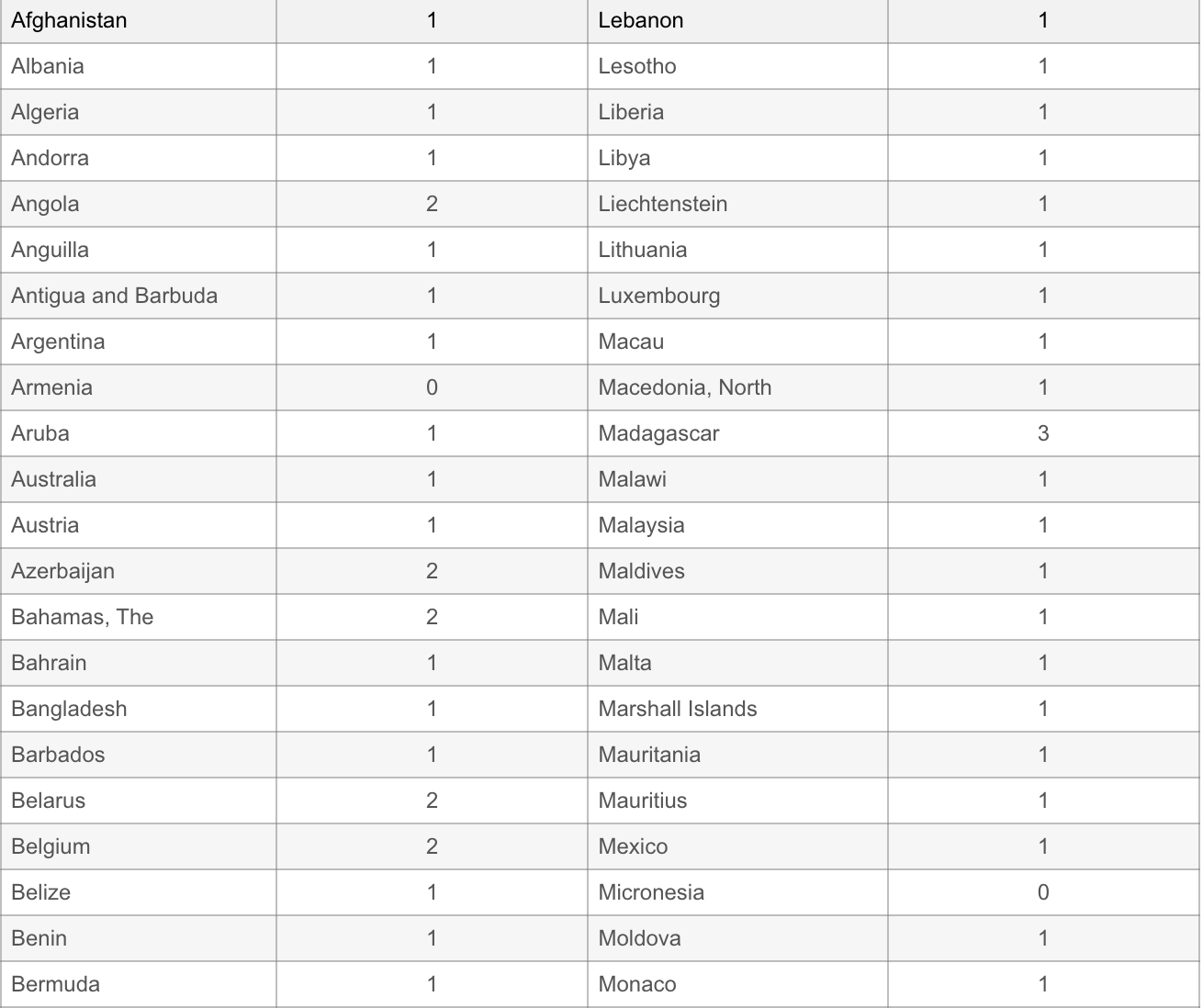
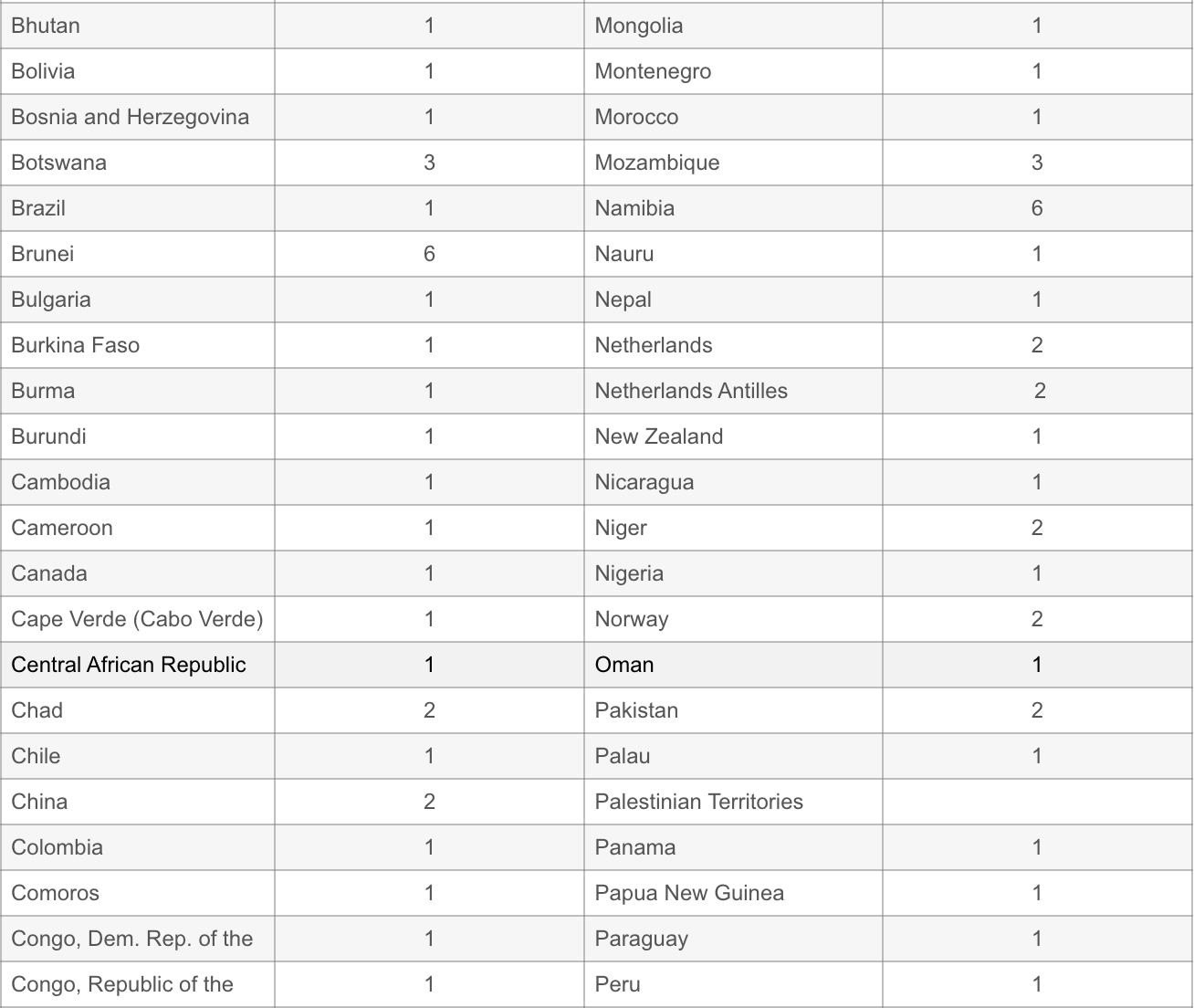
The table below shows the number of blank visa pages required by each country.
- If you plan to visit multiple countries during the same trip, you need to add the requirements for each country together.
- If your passport does not have a sufficient number of blank pages, you will need to replace it before your trip.
- It is no longer possible to add visa pages to a passport. You must apply for a new passport.
- South Africa 2 (2 Consecutive blank Visa Pages: South Africa requires travelers to have 2 consecutive completely blank visa pages in their passports upon every arrival in South Africa. YOU WILL BE DENIED ENTRY if you do not have 2 consecutive blank visa pages in your passport. This does not include the endorsement pages.
- Botswana 3
- Kenya 2
- Namibia 3
- Rwanda 1
- Tanzania 2
- Uganda 1
- Zambia 3
- Zimbabwe 3

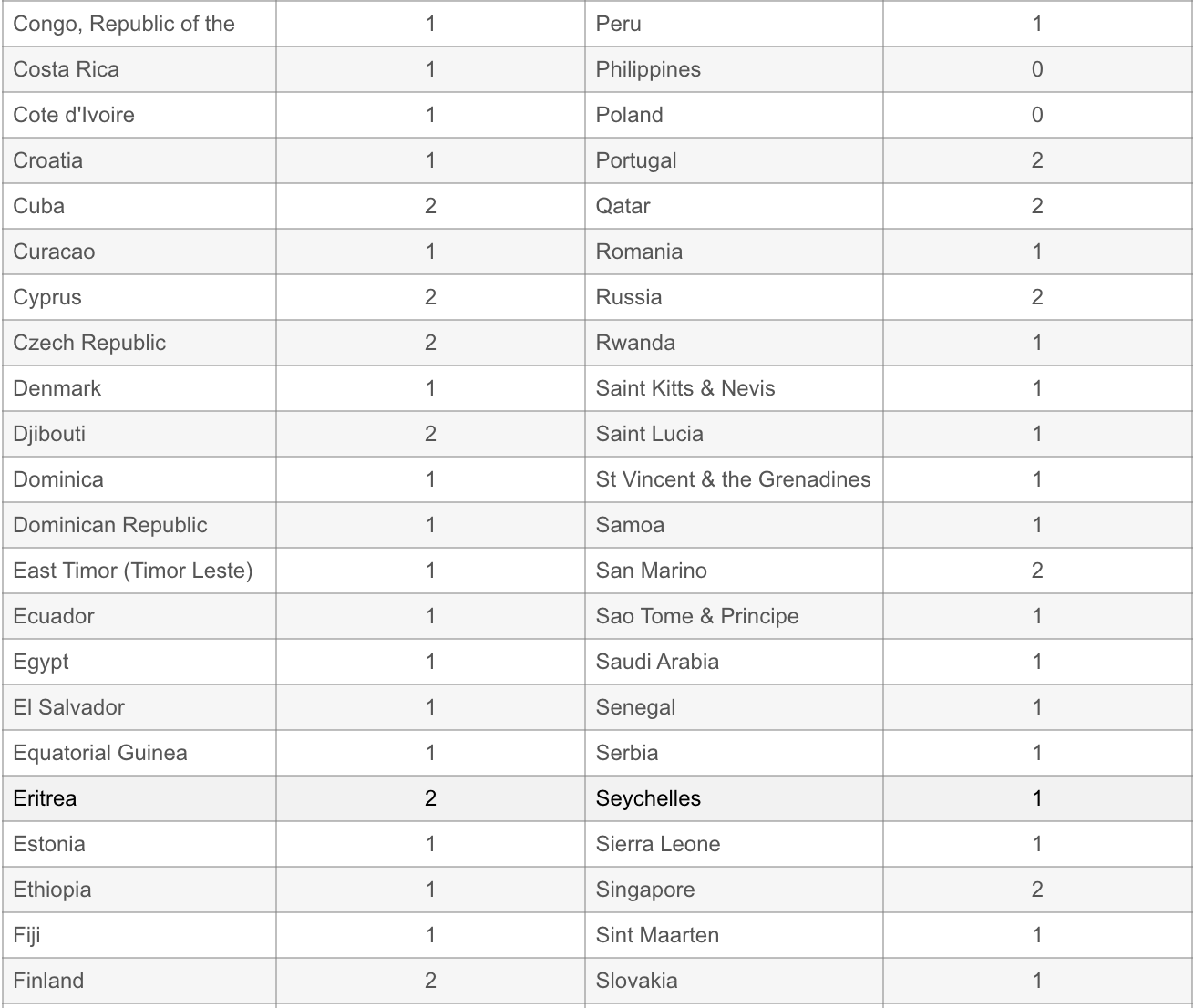
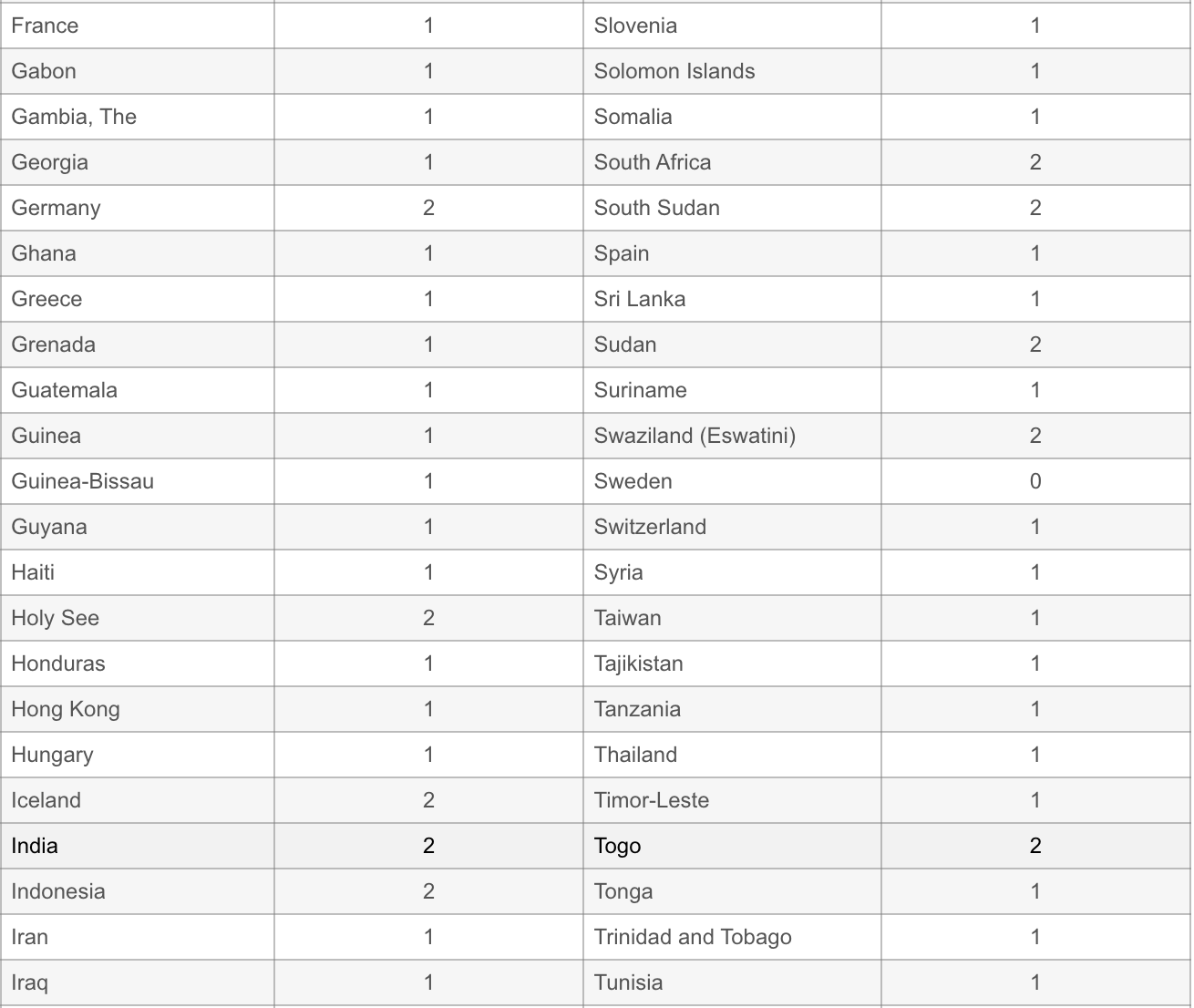
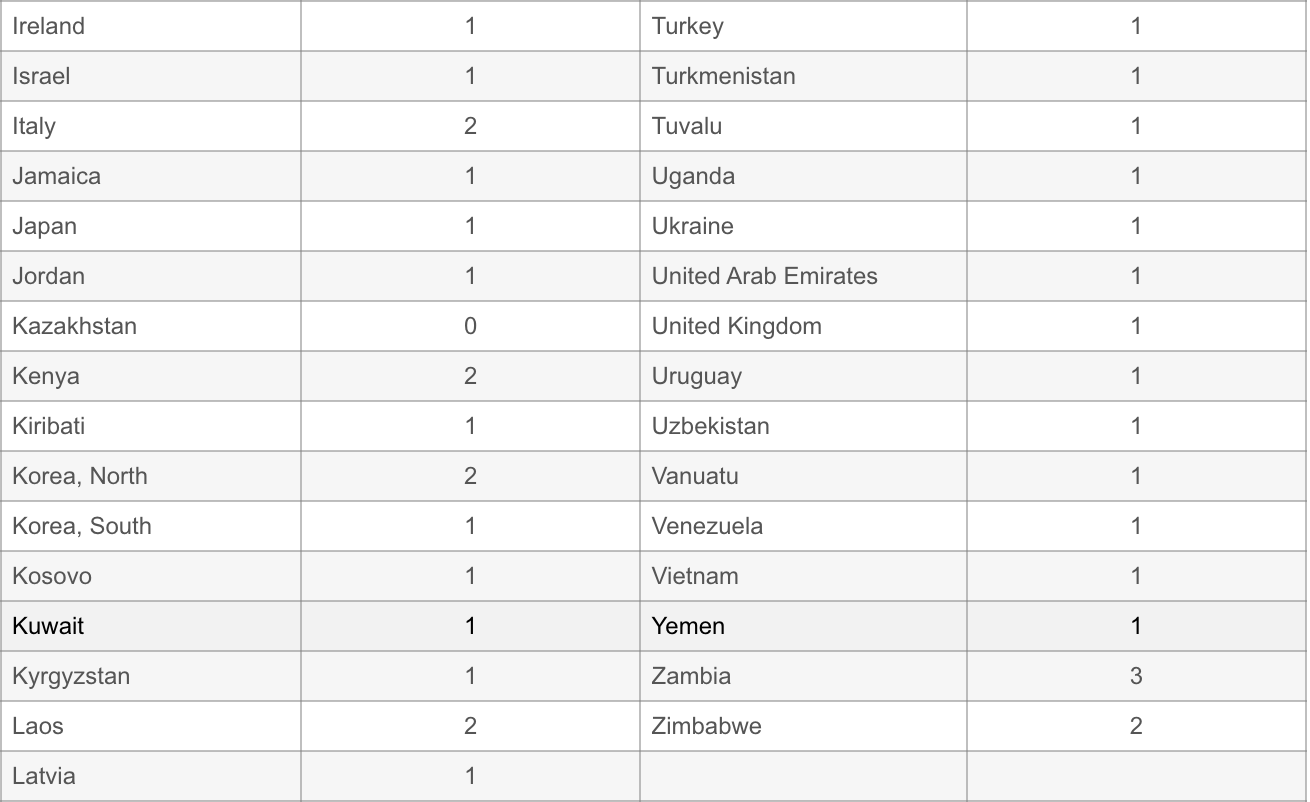 Sample calculation of how many blank visa pages your need:
Here is the ling explanation or my reasoning:
If you start with 11 or 12 Blank Visa Pages:
- Enter South Africa: Let’s say they stamp 1 page
- Enter Zimbabwe: Let’s say they stamp 1 page, usually they would stamp on the same page as South Africa, but in this case lets say they use their own page – some countries have a big stamp that takes up a whole page, so that is why I am accounting for a page per entry
- Enter Botswana: let’s say they stamp 1 page (to the House Boat)
- Enter Namibia: Let’s say they stamp 1 page (via Impalila island Immigration office to go to the HouseBoat)
- Re-Enter Namibia: Let’s say they stamp 1 page (via Impalila island Immigration office to go back to Kasane Airport in Botswana)
- Re-Enter Botswana: let’s say they stamp 1 page (to fly out of Kasane airport to Johannesburg)
- Re-Enter South Africa: Let’s say they stamp 1 page (to fly out of Johannesburg back to the USA)
So: 11 pages minus: #1 minus #2 minus #3 will leave you with at least 8 pages as required by Namibia. Then minus # 4, will leave you with at least 7 pages as required by Namibia, Minus # 5, Minus # 6, Minus # 7 will leave you with at least 4 empty pages which is more that South Africa requires
How Many Blank Pages Are Required by Each Country?
- Many countries have a specific travel regulation for the number of blank passport pages visitors should have. This is to allow space for visas and visa stamps.
- Before embarking on an international trip, it is important to check your destination’s passport requirements to ensure that you meet them.
- Having a certain number of blank passport pages is a mandatory rule for some territories, along with any necessary travel documents such as an eVisa or Travel Health Certificate.
- Each border authority has its own passport requirements for travelers. The number of compulsory blank pages depends on the individual territory.
- Countries such as the United Kingdom, Canada, and Morocco only require visitors to have 1 blank page to enter.
- Others, for example Germany, India, and South Africa, follow a 2-page regulation.
- Some African destinations need at least 3 blank pages, such as Botswana, Mozambique, and Zambia.
- There are even some territories, including Brunei and Namibia, that demand a minimum of 6 empty passport pages.
- If you fail to meet these requirements, you could be refused permission to board by an airline or refused entry at border control.
What if I am visiting multiple countries?
- If a trip consists of visiting multiple countries, it is necessary to add the requirements of each country together.
- For example, if you are traveling to somewhere that requires 1 page, then continuing to somewhere that requires 2, you will need to have a total of 3 empty passport pages.
Can I Add Passport Pages?
- Most countries do not allow passport holders to add pages. The United States, for example, previously provided this service but no longer do. The same applies for the UK.
- In most cases, it is necessary to apply for a new passport if there are no more blank pages left.
- You can contact your destination’s embassy or consulate if you are unsure about passport page requirements.
TRAVEL DECLARATION
🇿🇦 South Africa Traveller Declaration
South Africa requires a quick online Traveller Declaration to be completed prior to arrival. This replaces the old paper customs form and takes only a few minutes.
👉 Complete it here:
https://www.sars.gov.za/travellerdeclaration/
✈️ Step-by-step:
- Click the link above
- Select “Create New Traveller Declaration”
- Enter your:
- Personal details
- Passport information
- Travel details
- Declare any items if applicable (cash, high-value goods, equipment, etc.)
- Submit the form
- You will receive a QR code — save it on your phone or print it
⚠️ Notes:
- This is not a visa, just a customs declaration
- Complete it before departure or arrival
- Have your QR code ready for customs on arrival
- Especially important if traveling with:
- Camera equipment
- Binoculars
- Firearms
VISAS & TRAVEL DECLARATION
VISA Application/Approvals & PASSPORT Validity, incl. the required amoutn of empty Visa Pages in the passport are guest’s sole responsibility.
Africa Photo Safaris can assist you with Visa applications (addl. service fee of $ 50 per visa applies)
- Please refer to https://www.passportindex.org/ for updated information on each country.
- US citizens does not require a visa for:
- South Africa
- Botswana
- Zambia
- US citizens need to obtain a visa prior to arrival:
- Tanzania: $100
- Kenya: $32
- Uganda: $50
- Namibia: Approx. $110 / NAD 1,700
- US citizens need to obtain a visa at the port of entry (Victoria Falls airport):
South Africa requires a Traveller Declaration to be completed prior to arrival. This replaces the old paper customs form and takes only a few minutes.
- Zimbabwe: $30 / Single entry & $ 50 / Multiple entry (should be paid in cash/US or Visa/Mastercard at the port of entry).
🇿🇦 South Africa Traveller Declaration
Zimbabwe requires a Traveller Declaration to be completed prior to arrival. This replaces the old paper customs form and takes only a few minutes.
 Zimbabwe Traveller Declaration
Zimbabwe requires a Traveller Declaration to be completed prior to arrival. This replaces the old paper customs form and takes only a few minutes.
 Zimbabwe Traveller Declaration
BOTSWANA VISA NOTE NAMIBIA VISA NOTE KENYA VISA NOTE Please refer to your safari page for your related visa application, approvals and travel declaration SOUTH AFRICA VISA SOUTH AFRICA DECLARATION FORM This form must be filled out and applied for within 24 hours of arrival in South Africa. NOTE Please note that it has been declared that you are not carrying more that R25,000 in ZAR (South African banknotes) or $10,000 USD (or equivalent) in any other foreign currency with you. In this case, you have no goods/or currency to declare. ONLY IF you are carrying more than R25,000 in ZAR (South African banknotes) or $10,000 USD (or equivalent) in any other foreign currency, you must make this declaration to customs authorities whether you are entering or leaving the country. Please be sure that you are not carrying with you / are in conflict with any of these points below (as your declarations form has been completed accordingly) If this is not the case, please advise the immigrations officer so that you can fill out an updated Declarations for upon arrival. TANZANIA VISA NOTE Please refer to your safari page for your related visa application, approvals and travel declaration UGANDA VISA APPLICATION NOTE Please refer to your safari page for your related visa application, approvals and travel declaration ZIMBABWE VISA APPLICATION ZIMBABWE DECLARATION FORM The Zimbabwe requires an Immigration declaration to be filled out prior to arrival. Click below to view what this form looks like: NOTE Please refer to your safari page for your related visa application, approvals and travel declaration ZAMBIA VISABotswana
Namibia
Kenya
South Africa


Tanzania
Uganda
Zimbabwe
Zambia
HEALTH
Click for QUICK SEARCH requirements & restrictions for EACH COUNTRY
Botswana
VACCINATIONS RECOMMENDED:Typhoid & Colera
MALARIA PROPHOLAXIS
CDC recommends that travelers going to Zimbabwe take prescription medicine to prevent malaria. Depending on the medicine you take, you will need to start taking this medicine multiple days before your trip, as well as during and after your trip. Talk to your doctor about which malaria medication you should take.
COVID-19: Botswana currently has no COVID-19 vaccination or testing requirements for entry for U.S. and Canadian residents.
Namibia
VACCINATIONS RECOMMENDED:Typhoid & Colera
COVID-19: Namibia currently has no COVID-19 vaccination or testing requirements for entry for U.S. and Canadian residents.
Kenya
VACCINATIONS
- Required: Yellow Fever (must be administered a minimum of 10 days prior to entry
- Recommended: Typhoid & Colera
MALARIA PROPHOLAXIS
CDC recommends that travelers going to Zimbabwe take prescription medicine to prevent malaria. Depending on the medicine you take, you will need to start taking this medicine multiple days before your trip, as well as during and after your trip. Talk to your doctor about which malaria medication you should take.
COVID - 19
- Tanzania currently has no COVID-19 vaccination or testing requirements for entry for U.S. and Canadian residents.
- Visit the U.S. Department of State at travel.state.gov or the Government of Canada at travel.gc.ca/travelling/advisories for up-to-date information and travel advisories.
- All requirements are subject to change
YELLOW FEVER
CDC recommendation: Yellow fever vaccination is recommended for all travelers ≥9 months old.
Although a yellow fever vaccination is only required to enter Kenya if you are arriving from, or have transited through, a yellow fever-endemic area in South America or Africa–including East African countries such as Tanzania and Uganda.
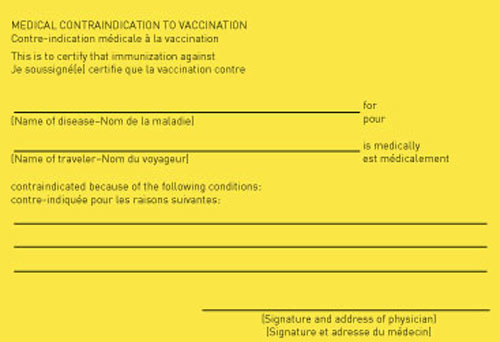
The CDC and WHO each provide a current list of all affected countries. If vaccination for yellow fever is necessary, you must carry an International Certificate of Vaccination provided by your physician; you may be denied entry without it. If your physician advises against receiving the vaccination because of your personal medical history, he or she can provide you with the necessary documentation for the country/countries you are visiting. You will be traveling to an area of malaria transmission.
Entry Requirements
Entry requirements for proof of YF vaccination under the International Health Regulations (IHR) differ from CDC’s YF vaccination recommendations. Under the IHR, countries are permitted to establish YF vaccine entry requirements to prevent the importation and transmission of YF virus within their boundaries. Certain countries require proof of vaccination from travelers arriving from all countries (Table 5-25); some countries require proof of vaccination only for travelers above a certain age coming from countries with risk for YF virus transmission. The World Health Organization (WHO) defines areas with risk for YF virus transmission as countries or areas where YF virus activity has been reported currently or in the past, and where vectors and animal reservoirs exist.
Unless issued a medical waiver by a yellow fever vaccine provider, travelers must comply with entry requirements for proof of vaccination against YF.
WHO publishes a list of YF vaccine country entry requirements and recommendations for international travelers approximately annually. But because entry requirements are subject to change at any time, health care professionals and travelers should refer to the online version of this book and the CDC Travelers’ Health website for any updates before departure.
Read more about this & the YELLOW FEVER WAIVER
MALARIA
CDC recommends that travelers going to certain areas of Kenya take prescription medicine to prevent malaria. Depending on the medicine you take, you will need to start taking this medicine multiple days before your trip, as well as during and after your trip. Talk to your doctor about which malaria medication you should take.
ANTI-ITCH (Antihistamine cream or ointment)
Please be sure top pack a tube or 2 of “anti-itch” cream which will help alleviate mosquito and/or tsetse bite spots.
We strongly advise that you speak with your doctor or travel clinic regarding your itinerary, individual risk assessment and options for mosquito bite prevention and antimalarial drugs. We recommend filling any prescriptions before you depart.
South Africa
VACCINATIONS RECOMMENDED:Typhoid & Colera
COVID-19: South Africa currently has no COVID-19 vaccination or testing requirements for entry for U.S. and Canadian residents.
Tanzania
VACCINATIONS
- Required: Yellow Fever (must be administered a minimum of 10 days prior to entry
- Recommended: Typhoid & Colera
MALARIA PROPHOLAXIS
CDC recommends that travelers going to Zimbabwe take prescription medicine to prevent malaria. Depending on the medicine you take, you will need to start taking this medicine multiple days before your trip, as well as during and after your trip. Talk to your doctor about which malaria medication you should take.
YELLOW FEVER
Note: Required if you are traveling through Kenya prior to your arrival in Tanzania
CDC recommendation: Travelers ≥1 year of age arriving from a country with risk of yellow fever virus transmission, including transit >12 hours in an airport located in a country with risk of yellow fever virus transmission, are required to show proof of vaccination on an International Certificate of Vaccination or Prophylaxis to enter the country
- Yellow fever vaccination is recommended for all travelers ≥9 months old.
- A yellow fever vaccination is only required to enter Tanzania if you are arriving from, or have transited through, a yellow fever-endemic area in South America or Africa – including East African countries such as Kenya and Uganda.
- This means that if your itinerary includes visits to both Kenya and Tanzania, you may be asked to show proof of yellow fever vaccination when entering either country.
- The CDC and WHO each provide a current list of all affected countries.
- If vaccination for yellow fever is necessary, you must carry an International Certificate of Vaccination provided by your physician; you may be denied entry without it.
- If your physician advises against receiving the vaccination because of your personal medical history, he or she can provide you with the necessary documentation for the country/countries you are visiting.
- You will be travelling to an area of malaria transmission.
- We strongly advise that you speak with your doctor or travel clinic regarding your itinerary, individual risk assessment and options for mosquito bite prevention and antimalarial drugs. We recommend filling any prescriptions before you depart.
Entry Requirements
Entry requirements for proof of YF vaccination under the International Health Regulations (IHR) differ from CDC’s YF vaccination recommendations. Under the IHR, countries are permitted to establish YF vaccine entry requirements to prevent the importation and transmission of YF virus within their boundaries. Certain countries require proof of vaccination from travelers arriving from all countries (Table 5-25); some countries require proof of vaccination only for travelers above a certain age coming from countries with risk for YF virus transmission. The World Health Organization (WHO) defines areas with risk for YF virus transmission as countries or areas where YF virus activity has been reported currently or in the past, and where vectors and animal reservoirs exist.
Unless issued a medical waiver by a yellow fever vaccine provider, travelers must comply with entry requirements for proof of vaccination against YF.
WHO publishes a list of YF vaccine country entry requirements and recommendations for international travelers approximately annually. But because entry requirements are subject to change at any time, health care professionals and travelers should refer to the online version of this book and the CDC Travelers’ Health website for any updates before departure.
Read more about this & the YELLOW FEVER WAIVERMALARIA
CDC recommends that travelers going to certain areas of Kenya take prescription medicine to prevent malaria. Depending on the medicine you take, you will need to start taking this medicine multiple days before your trip, as well as during and after your trip. Talk to your doctor about which malaria medication you should take.
ANTI-ITCH (Antihistamine cream or ointment)
Please be sure top pack a tube or 2 of “anti-itch” cream which will help alleviate mosquito and/or tsetse bite spots.
COVID-19
Tanzania currently has no COVID-19 vaccination or testing requirements for entry for U.S. and Canadian residents.
Uganda
VACCINATIONS
- Required: Yellow Fever (must be administered a minimum of 10 days prior to entry
- Recommended: Typhoid & Colera
COVID - 19
- Uganda currently has no COVID-19 vaccination or testing requirements for entry for U.S. and Canadian residents.
- Visit the U.S. Department of State at travel.state.gov or the Government of Canada at travel.gc.ca/travelling/advisories for up-to-date information and travel advisories.
- All requirements are subject to change
YELLOW FEVER
CDC recommendation: Yellow fever vaccination is recommended for all travelers ≥9 months old.
Although a yellow fever vaccination is only required to enter Kenya if you are arriving from, or have transited through, a yellow fever-endemic area in South America or Africa–including East African countries such as Tanzania and Uganda.
The CDC and WHO each provide a current list of all affected countries. If vaccination for yellow fever is necessary, you must carry an International Certificate of Vaccination provided by your physician; you may be denied entry without it. If your physician advises against receiving the vaccination because of your personal medical history, he or she can provide you with the necessary documentation for the country/countries you are visiting. You will be travelling to an area of malaria transmission.
Entry Requirements
Entry requirements for proof of YF vaccination under the International Health Regulations (IHR) differ from CDC’s YF vaccination recommendations. Under the IHR, countries are permitted to establish YF vaccine entry requirements to prevent the importation and transmission of YF virus within their boundaries. Certain countries require proof of vaccination from travelers arriving from all countries (Table 5-25); some countries require proof of vaccination only for travelers above a certain age coming from countries with risk for YF virus transmission. The World Health Organization (WHO) defines areas with risk for YF virus transmission as countries or areas where YF virus activity has been reported currently or in the past, and where vectors and animal reservoirs exist.
Unless issued a medical waiver by a yellow fever vaccine provider, travelers must comply with entry requirements for proof of vaccination against YF.
WHO publishes a list of YF vaccine country entry requirements and recommendations for international travelers approximately annually. But because entry requirements are subject to change at any time, health care professionals and travelers should refer to the online version of this book and the CDC Travelers’ Health website for any updates before departure.
Read more about this & the YELLOW FEVER WAIVER
MALARIA
CDC recommends that travelers going to certain areas of Kenya take prescription medicine to prevent malaria. Depending on the medicine you take, you will need to start taking this medicine multiple days before your trip, as well as during and after your trip. Talk to your doctor about which malaria medication you should take.
ANTI-ITCH (Antihistamine cream or ointment)
Please be sure top pack a tube or 2 of “anti-itch” cream which will help alleviate mosquito and/or tsetse bite spots.
We strongly advise that you speak with your doctor or travel clinic regarding your itinerary, individual risk assessment and options for mosquito bite prevention and antimalarial drugs. We recommend filling any prescriptions before you depart.
Zimbabwe
VACCINATIONS RECOMMENDED:Typhoid & Colera
MALARIA PROPHOLAXIS
CDC recommends that travelers going to Zimbabwe take prescription medicine to prevent malaria. Depending on the medicine you take, you will need to start taking this medicine multiple days before your trip, as well as during and after your trip. Talk to your doctor about which malaria medication you should take.
COVID-19: Zimbabwe currently has no COVID-19 vaccination or testing requirements for entry for U.S. and Canadian residents.
Zambia
VACCINATIONS RECOMMENDED:Typhoid & Colera
MALARIA PROPHOLAXIS
CDC recommends that travelers going to Zimbabwe take prescription medicine to prevent malaria. Depending on the medicine you take, you will need to start taking this medicine multiple days before your trip, as well as during and after your trip. Talk to your doctor about which malaria medication you should take.
COVID-19: Zambia currently has no COVID-19 vaccination or testing requirements for entry for U.S. and Canadian residents.

STAY IN TOUCH!
Please download WhatsApp to your mobile phone if you do not already have it installed. Your WhatsApp number is the same as your current mobile phone number, so there is no need to obtain a separate number.
Once WhatsApp is installed, please add the following contact:
Africa Photo Safaris
+1 (949) 400-5262
After adding the contact, please send us a brief message (for example, "Hello" or your name) so that we can confirm we are connected before your departure.
WhatsApp will be our primary means of communication throughout your safari. Prior to your arrival, we will create a dedicated WhatsApp group for your safari and add you, along with the relevant Africa Photo Safaris team members, guides, and support staff.
Using a dedicated WhatsApp group enables us to provide timely updates, coordinate logistics, answer questions, share important information, and offer immediate assistance throughout your journey. This communication tool plays an essential role in ensuring your safari runs as smoothly and seamlessly as possible.
WEATHER
During the winter period, June through August, nighttime temperatures in some areas can drop to freezing or below. Early morning game drives during these winter months can start out very chilly and you should bring a warm sweater, gloves and even a hat to cover your ears. However, by mid-morning the days will heat up dramatically. The rains occur each year during November through March, with the dry season stretching from April through October.
Fall (April & May) and Spring (September & October) is our favorite season - fabulous mild weather ensure optimum comfort and safari experience.

ARRIVAL
Absolutely there will be someone to meet you on arrival at the airport.
As our valued guests, it is our pleasure to welcome you to Africa! After passing through customs at your arrival airport, you will be greeted by a staff member who will take you as swiftly as possible to the comfort of your hotel.

TIPPING
Tipping on safari can sometimes feel like a tricky subject, so we’ve put together a few helpful guidelines. First and foremost, tipping is completely up to you—there’s absolutely no obligation, and you should never feel pressured to tip. That said, even a small tip can go a long way and is always deeply appreciated by the staff at the lodges.
Keep in mind that while your guide will likely be your main point of contact, there’s a whole team working behind the scenes to make your safari smooth, comfortable, and unforgettable. From housekeeping to kitchen staff, many of these dedicated individuals may not be visible, but their contributions are just as important.
How much do I tip?
If you’d like to leave a tip, we recommend giving it in cash (currencies detailed below) —Average $35 per person per day. Any extra tips are always deeply appreciated and have a far greater impact on the lives of the staff than you might ever realize.
Camp/Lodge Staff: There is a lot that happens behind the scenes of your safari and it’s important to consider and acknowledge all the wonderful people who look after the lodge. From housekeepers, to wait staff, to chefs – they all deserve to be thanked appropriately!
How do I tip?
Most lodges will provide you with envelopes to place the tips in. Please hand your tips to the camp host/hostess. They’ll ensure it’s shared fairly among all the staff based on their roles and efforts.
🇿🇦 South Africa
Who to Tip:
- Safari lodge stays: $25–$35 per safari guest/day
- Long distance transfer Drivers: $ 20-$25 per service
Currency: South African Rand (ZAR) preferred.
🇧🇼 Botswana
Who to Tip:
- Safari lodge stays: $25–$35 per safari guest/day
- Tracker/Mokoro Poler: $5–$10 per guest/day
Currency: USD preferred; Botswana Pula accepted but not typical for tips.
 Zimbabwe
Who to Tip:
- Safari lodge stays: $25–$35 per safari guest/day
Currency: USD only; avoid ZWL or Bond Notes.
🇿🇲 Zambia
Who to Tip:
- Safari lodge stays: $25–$35 per safari guest/day
Currency: USD strongly preferred; Kwacha accepted but not ideal for tipping.
🇰🇪 Kenya
Who to Tip:
- Safari lodge stays: $25–$35 per safari guest/day
Currency: USD preferred; Kenyan Shilling acceptable for small tips.
🇺🇬 Uganda (for Gorilla Trekking Safaris)
Who to Tip:
- Gorilla Trekking Guide/Ranger: $10–$20 per safari guest/day
- Tracker/Escort Staff: $5–$10 per safari guest/day
- Lodge/Camp Staff: $10–$15 per safari guest/day
- Drivers/Transfers: $2–$5 per transfer
Currency: USD preferred; Ugandan Shilling acceptable for minor services.
General Safari Tipping Tips
When to Tip: At the end of your stay at each lodge or with each guide.
How to Tip: Use envelopes or tipping boxes. For staff pools, let the manager distribute tips fairly.
Currency Rules: Use clean, recent USD notes (post-2006). Local currencies acceptable for minor services.
Avoid: Old/torn USD notes, asking staff to exchange currency, or overtipping under pressure.
Which Currency?
Note
Banks and foreign exchange bureaus are available at all international airports and main towns, however, ATM's do not dispense USD notes.
Properties with gift shops have credit card facilities, but tips cannot be accepted via credit card.
PACKING LIST

BAGGAGE ALLOWANCE
Included is one free checked bag weighing up to 20 kg / 44 lbs. and one piece of hand baggage weighing up to 7kg / 15 lbs plus a slimline laptop bag or small handbag. For anything more, you can simply purchase extra bags online at a discounted rate or at the airport.
👉 Click for on the airline logo for all the details
 👉 Click to view details






CHARTER & LIGHT AIRCRAFT FLIGHTS
- Typically limited to 15 kgs. / 33 lbs. per person. Please note the restrictions related to specific airlines below. Bags should bring have to be small, flexible, soft sided Unfortunately, large suitcases and rigid, inflexible luggage cannot be transported.
- Luggage with “pull along” handle frames and wheels are NOT flexible soft bags and do not fit into the aircraft.
- All luggage must be packed in the belly pods of the aircraft. Suitcases and luggage with rigid wheel frames do not fit and as a result cause delays and inconvenience for other travelers.
👉 Click for on the airline logo for all the details
 👉 Click to view details



HAIRDRYERS & MORE
Sockets & power adaptors
South Africa primarily uses Type D, M, and N electrical sockets and plugs. The standard voltage is 230V, and the frequency is 50Hz.
Botswana & Zimbabwe primarily uses D, M, and G electrical sockets and plugs.The standard voltage is 230V, and the frequency is 50Hz.
Zambia primarily uses Type C, D, and G electrical sockets and plugs.The standard voltage is 230V, and the frequency is 50Hz.
Kenya primarily uses Type G electrical sockets and plugs. The standard voltage is 240V, and the frequency is 50Hz.
Tanzania primarily uses Type D and G electrical sockets and plugs. The standard voltage is 230V, and the frequency is 50Hz.
Click for Multi Country power adaptor
Camps with regular electricity supply
Hairdryers and other hair styling devices: do not pack your US 120V products!
If the camp has regular power: Please purchase a travel hair dryer with DUAL voltage 120-220v, click for example
For a compatible hairdryer, you would need one that supports the voltage and plug type used in South Africa. Look for a hairdryer that can operate at 230V and supports either Type D, M, or N plugs. Additionally, it's advisable to check if the hairdryer has dual voltage compatibility, which means it can work with both 110-120V and 220-240V power systems. This feature is particularly useful if you plan to travel with the hairdryer to regions with different voltage standards
The same applies to hair straightners & curlers
Camps with solar only power
If only solar power is available in camp: 12 v Hairdryer and Hair straightener
Note that it can never be guaranteed to work as camps vary based on location and available power sources.

POWER ADAPTORS

WI-FI
GAME VIEWING

SAFETY
ACCOMMODATION

CREDIT CARDS
Yes, most locations accept VISA or MasterCard. American Express in not widely accepted.

CELLPHONES
TRAVEL INSURANCE

PLANNING

DURATION
Safari with us
TRAVEL EXPERTS
Africa is our home…we live, breath & sleep Africa!
USA BASED TRANSACTIONS
Easy and secure safari payments
MANY HAPPY GUESTS
Please ask for references!